“There is something uniquely rewarding about guiding a project from sketch to someone’s home”
For two decades Identity Consult (IC) has been a part of the North’s housing story.
From modest estate refurbishments to large, mixed tenure schemes and pioneering low energy developments, the team has supported delivery across the North East, North West and Yorkshire, forging long term partnerships with councils, housing associations and private developers and helping translate policy aims into homes people can live in.
Those projects have shaped Identity Consult – a consultancy not just completing buildings, but seeing projects through from feasibility and procurement to snagging and occupation, to understanding the social purpose that rests behind every completed street and apartment block.
“There is something uniquely rewarding about guiding a project from its first sketch to the moment it becomes someone’s home,” says Mark Graham, Associate Director and Identity Consult’s Affordable Housing Lead. “Being a consistent, reliable point of contact for clients and seeing the social impact of our work is what keeps us going.”
Senior Director, Pete Johnson acknowledges the housing sector was integral in shaping Identity Consult as a company recalling the importance of collaboration from the start “From day one we have had formative conversations with the housing associations,” he says. “They were our trojan horse in helping us to break into different regions and stimulate growth”.

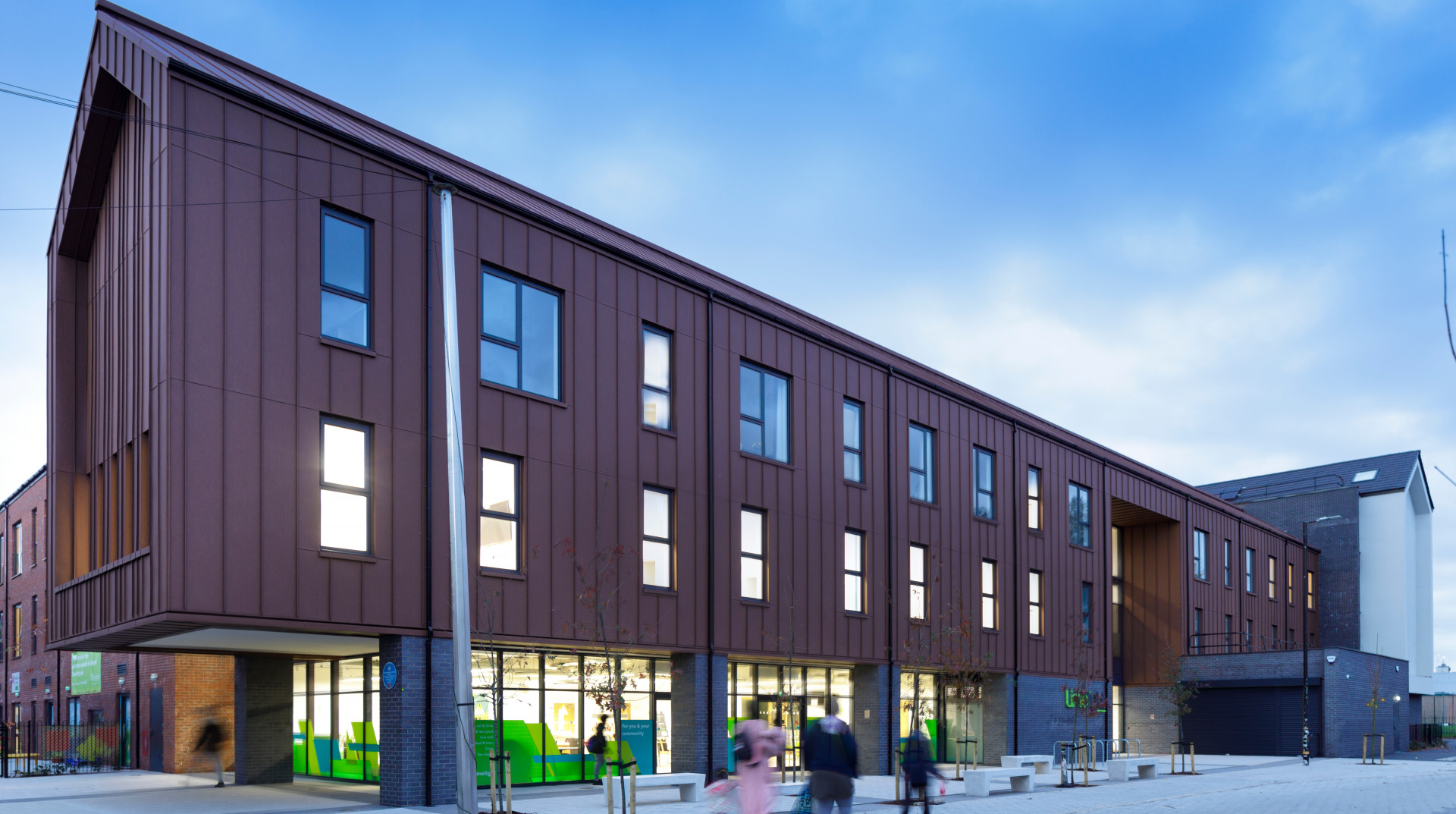
He refers to standout schemes such as Limelight in Trafford, Greater Manchester which “grew legs at every turn.” Working with many stakeholders and with additional requirements being met throughout the four-year construction, Pete says the initial brief to provide extra care and specialised dementia care evolved into a full area regeneration which includes a community centre, church and rectory, commercial units and a health diagnostics centre. “We still show people around now as an example of how regeneration should be, and the monumental impact it can have on community,” he says.
Colleagues say they adopt a practical, hands-on approach to housing. George Cocks, now a Senior Consultant who joined as a graduate quantity surveyor, says that housing projects have been vital: “Understanding the various issues that arise through a construction project and learning how to overcome them has been central to my development” he says. George cites a large Leeds scheme where the role of working across both client and contractor teams exposed him to the complexities of scale and coordination.
That emphasis on delivery and relationships is echoed in project highlights across the business, and Associate Director Russell Gallagher recalls the synergies and partnerships between local authority work and housing that inspire real community effect. One such project was a community centre, refurbished as a pupil referral unit with IC also overseeing the delivery of award-winning homes opposite it – something that created a tangible uplift in a neighbourhood. “After delivery you know you’ve had a part in uplifting the area,” Russell reflects. “For people who don’t have a lot – these homes can change life trajectories.”
Identity Consult’s housing portfolio has also embraced innovation with the team advising on Passivhaus projects, supported living and extra care schemes, as well as mixed–tenure developments that combine affordability with architectural quality. Mark highlights the technical and financial balancing act, where with modern regulations and high sustainability standards meaning: “Designing a viable route forward remains difficult and must be resolved on a scheme–by–scheme basis,” he says: “The work demands a focus on cost, specification and programme without losing sight of the human outcome.” As Senior Director, Alex Atkinson puts it: “The delivery of Passivhaus homes, demonstrates that low-carbon living can be delivered at scale”.

Pete acknowledges Identity Consult’s agility in responding to different clients within the housing sector. A collaboration with Urban Splash in North Shields brought a “different and brilliantly creative way of working”. Describing it in detail, Pete said: “It was a change from affordable housing, it was design led by a strong creative collective at Urban Splash – and that approach can transform a scheme”. Pete also recognises the importance of the partnership with his team’s strong skillset as project managers and support on implementation bringing a lot to the table.
And this personal impact is prevalent for many colleagues; Alex Atkinson cites the importance of working on large-scale masterplans and town centre regeneration projects with local authorities across the North West: “They are helping to shape the future of places over a 10 to 20-year horizon – like in Eccles which is where I live” she adds.
The last 20 years have not been without their challenges with colleagues pointing to common, persistent macro issues like funding constraints, planning delays, rising construction costs and the complexity of new standards such as Building Safety and Biodiversity Net Gain. “Viability is under strain,” Russell warns. “Global political turbulence coupled with funding uncertainty makes delivery more challenging.”
George adds that potential labour shortages and skills gaps are also a continuing concern – and that maintaining productivity and competitiveness will require both investment and fresh thinking. Pete reminds us of the gravity of the impact the freeze on funding for affordable housing over the last 18 months will have on the future; “Many businesses have been folding before our eyes. Employees have had no choice but to forge new careers outside of construction meaning when projects are finally green-lit and funding gains momentum, there won’t be the workforce to accommodate the influx.”
Looking ahead, the team sees three priorities in housing. Collaboration is top of the list, with plans to continue to pool resources and expertise between councils, housing associations and the supply chain to deliver targeted, locally appropriate housing. Second is adaptability and embracing change with modern methods of construction and digital tools while safeguarding design quality and place identity. Third, say the team, is the importance of skills and long term funding, ensuring a trained workforce and stable pipelines so policy ambitions can translate into actual homes.
“We need to continue to adapt with the ever changing market,” George says. “Clients will depend on partners who are trustworthy, efficient and timely.” Mark is equally clear that the next decade will demand practical responses to Net Zero and retrofit challenges: “Retrofitting existing stock and meeting future homes standards will require both funding and inventive delivery models.” Russell urges an ongoing partnership mindset: “IC can be the glue – advising both parties, bringing them together and delivering where trust exists.”
Ultimately the team says that its housing practice has been shaped by client relationships, technical curiosity and a desire to make a measurable social difference. ‘Success should be measured by thriving communities rather than simply housing numbers” says Alex. “We need integrated thinking around homes, transport, employment, health and public spaces.
“The next twenty years will offer new tests,” Mark concludes. “But it’s something we intend to meet with the same combination of pragmatism and civic intent that has defined our past.”